
Reducing Carbon Footprints in Data Centers: The AI-Powered Approach to Sustainability

Share:

Data centers are some of the biggest energy users on the planet, and their carbon footprints keep growing. Your team faces pressure to cut emissions while juggling complex operations and tight budgets. AI-powered DCIM changes the game by offering real-time monitoring, automated asset discovery, and predictive analytics that help you reduce carbon footprint without sacrificing performance. Ready to see how smarter data center sustainability looks? Start your free trial of Hyperview today.
AI-Powered DCIM for Sustainability
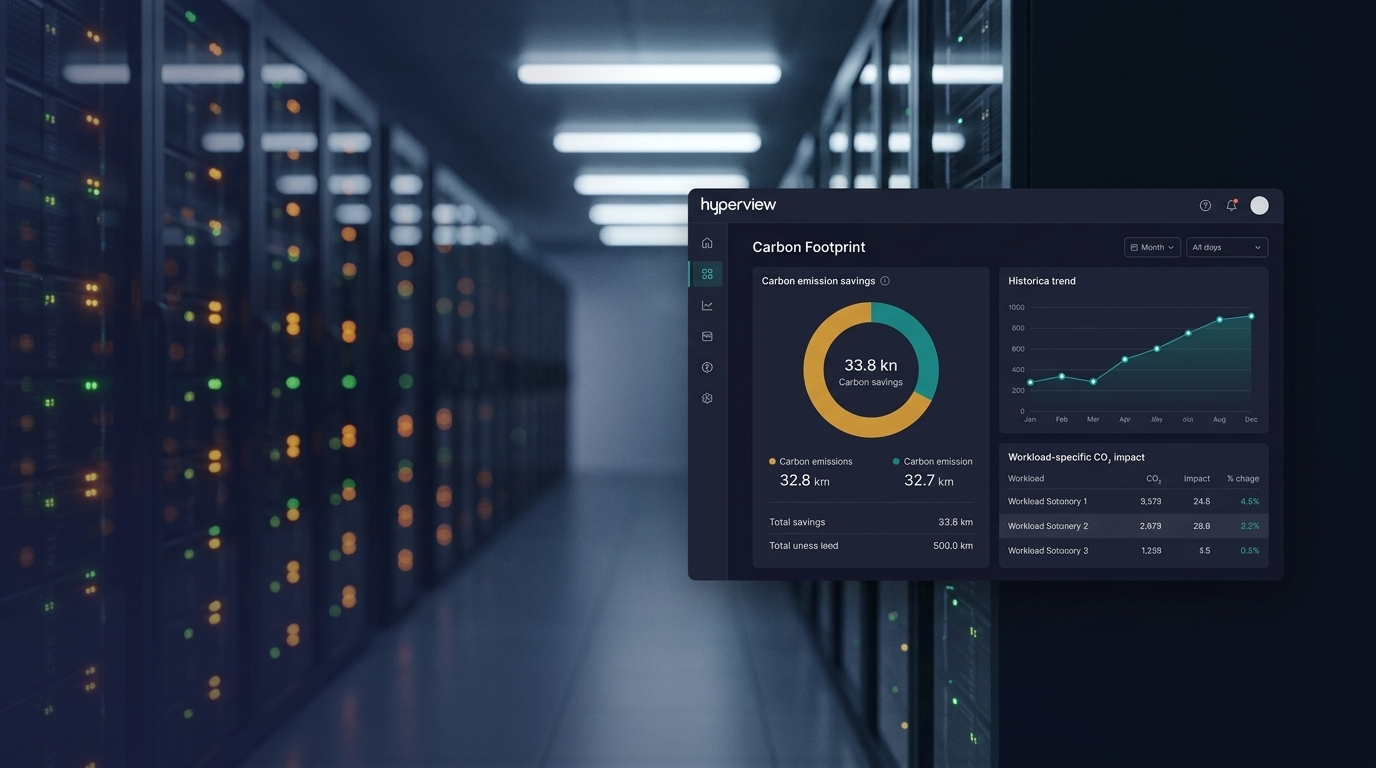
AI-powered DCIM brings a new era of sustainability to data centers. It offers tools that transform how facilities manage their energy use and carbon footprint.
Real-Time Monitoring and Insights
Imagine having your data center operations at your fingertips. With real-time monitoring, you don’t just track energy use; you get instant insights into the performance of every asset. This feature allows you to spot inefficiencies that drive up costs and emissions. Most people think that energy savings require big sacrifices, but you can achieve them with smart monitoring. Your team can act quickly to adapt to changes and maintain optimal conditions without added stress. When every second counts, such promptness can be a game-changer.
Predictive Analytics in Action
Predictive analytics is like having a crystal ball for your data center. It forecasts potential issues before they become problems. This isn’t just about preventing downtime; it’s about ensuring your systems work at peak efficiency. By analyzing trends, the system suggests adjustments to optimize performance. Did you know that predictive maintenance can cut costs and reduce energy use by up to 20%? By addressing issues before they escalate, your data center stays robust and green.
Automated Asset Discovery Benefits
Asset management gets simpler with automated discovery. This tool scans your infrastructure, identifying all components without manual input. It ensures that you never lose track of assets, leading to better energy management. Think of it as having an inventory list that updates itself. This saves time and minimizes errors, leading to smoother operations. You gain full visibility, which helps in making data-driven decisions that enhance sustainability.
Reducing Energy Use and Emissions
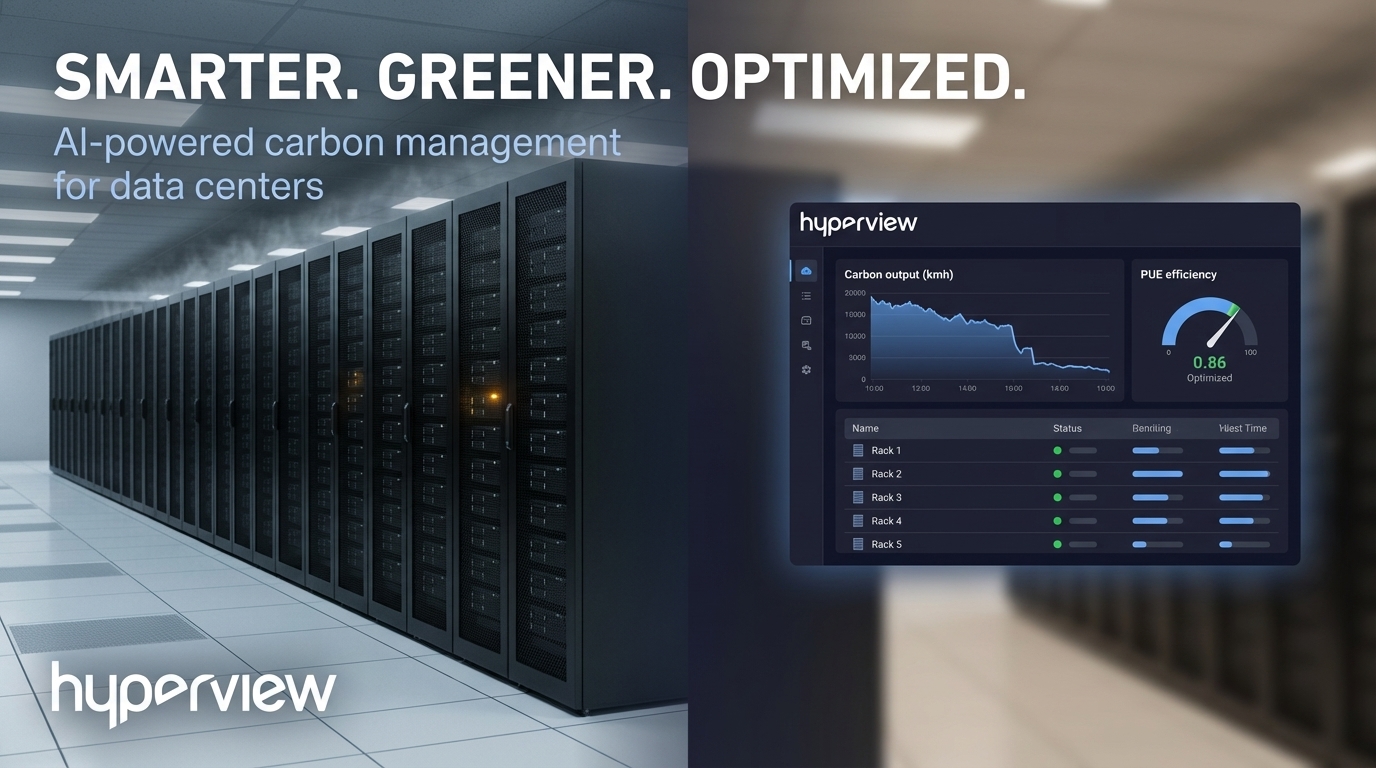
Cutting energy use doesn’t mean compromising on performance. The right strategies reduce emissions while keeping systems efficient.
PUE Optimization Strategies
Power Usage Effectiveness (PUE) is a vital metric for energy efficiency. Optimizing PUE can drastically cut energy waste. By analyzing power distribution, you can find and fix inefficiencies. Many believe achieving a low PUE is difficult, but with focused strategies, significant improvements are possible. Regularly monitoring this metric ensures that your data center remains eco-friendly and cost-effective.
Thermal Optimization Techniques
Managing the thermal environment is crucial for efficiency. Techniques like optimizing airflow and setting precise temperature controls help avoid energy waste. You might think that cooling requires a lot of power, but strategic thermal management reduces that need. By using dynamic cooling and avoiding hotspots, energy savings can exceed 30%. It keeps equipment safe and prolongs its lifespan, which means fewer replacements and less waste.
Capacity Planning for Efficiency
Capacity planning ensures your data center uses resources effectively. It’s about knowing what you need and when. By anticipating future needs, you avoid over-provisioning, which leads to waste. Proper planning supports energy efficiency and reduces emissions. By adjusting capacity to demand, you maintain performance without unnecessary energy use.
Risk Mitigation and ESG Compliance
Reducing risks and ensuring compliance is essential for sustainable operations. Proper systems and reporting play a key role.
Sustainability Reporting Essentials
Transparent reporting on sustainability metrics is critical. It involves tracking carbon emissions and energy use in a way that’s easy to understand. This transparency builds trust with stakeholders and helps meet ESG goals. Many think reporting is a chore, but it’s an opportunity to showcase your commitment to the environment. A clear report highlights progress and guides future actions.
API-First Integration Advantages
API-first integration simplifies how systems communicate. It allows different tools and platforms to work together seamlessly. This approach streamlines operations, reducing manual errors and inefficiencies. By automating data exchange, you ensure that your sustainability efforts are accurately reflected across all systems. It’s not just about technology; it’s about building a cohesive ecosystem that supports green initiatives.
Asset-Based Pricing Transparency
Pricing transparency based on assets is an innovative approach. It ensures you pay for what you use, which encourages efficient use of resources. This method aligns costs with consumption, promoting mindful energy use. It breaks the assumption that cost savings come from cutting corners; instead, it’s about smart resource management. When every watt counts, transparency in pricing becomes a tool for sustainability.
By embracing AI-powered DCIM, you open doors to a more sustainable future for data centers. It’s about making informed choices that align with environmental goals without sacrificing performance. Explore a path where efficiency meets responsibility, and consider how these insights can transform your operations today.
Ready to Transform Your Operations?
If you’re ready to modernize your data center management with real-time data and insights, Hyperview is here to help. Start your 30-day free trial today and discover how Hyperview can revolutionize your operations.


Get started!
No credit card needed. Access all the features.